Source anti theft stainless steel security screw for Machinery, Chemical, Environmental
Find 30 listings for anti theft stainless steel security screw from suppliers in Zhejiang, Guangdong, and Jiangsu. Buyers can compare specifications like M3 to M20 sizes, various head styles, and certifications such as ISO9001 for industrial and marine applications.
Key considerations
Products List






Comprehensive Sourcing Guide
Strategic Sourcing Guide for Anti-Theft Stainless Steel Security Screws
Understanding Technical Specifications and Material Composition
When sourcing anti-theft stainless steel security screws, the primary objective is to identify fasteners that provide both structural integrity and tamper resistance. The core material for these components is consistently observed as stainless steel, which offers inherent corrosion resistance essential for outdoor and marine environments. Buyers must verify the specific grade of stainless steel, as the supply chain indicates the availability of high-strength steel alongside stainless variants. The mechanical properties of the screw are heavily influenced by the material selection, particularly when the application involves machinery, chemical industries, or environmental exposure where rust resistance is non-negotiable.
The physical dimensions of these fasteners vary significantly based on the specific security requirement and the load-bearing needs of the assembly. Observed product models range from M3x6 up to M10x80, with some specialized listings indicating a broader size spectrum from M2.5 to M12 or even M2.5 to M20. Length specifications are equally diverse, with common ranges spanning from 3 mm to 50 mm, and extended options reaching up to 100 mm. This variability necessitates precise engineering drawings during the procurement phase to ensure the selected screw fits the specific hole depth and thread engagement requirements.
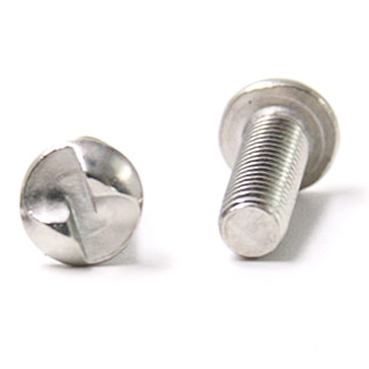
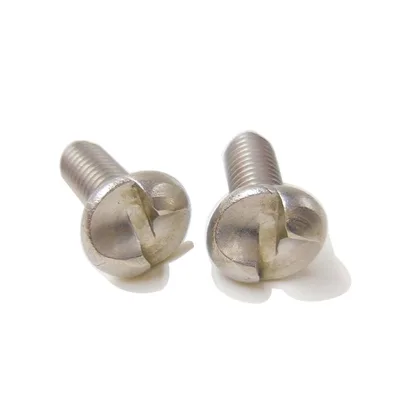
The head style is a critical differentiator for security screws. The market offers a variety of configurations, including round heads, countersunk heads, and hexagonal heads. Specific security designs often feature unique head geometries, such as the "Snake Eye" or "Y Type" countersunk heads, which require proprietary drivers to install or remove. The drive type also plays a pivotal role; while standard cross or slot drives are common, security applications frequently utilize specialized grooves like flower pins, triangles, or complex special shapes that prevent unauthorized access. The connection type is generally categorized as a common bolt, but the anti-theft mechanism is embedded in the unique interface between the screw head and the driving tool.
Compliance Standards and Certification Verification
In the global supply chain for industrial fasteners, adherence to international standards is a prerequisite for quality assurance. The observed product listings reference a robust set of standards, including DIN, GB, ANSI, BSW, GOST, and JIS. These standards define the thread pitch, diameter, and head dimensions, ensuring interchangeability and compatibility with existing machinery and infrastructure. Buyers must explicitly confirm which standard governs the specific batch of screws being procured, as a deviation in thread pitch can lead to assembly failures or compromised structural integrity.
Certification serves as a third-party validation of the manufacturer's quality management systems and product safety. The most frequently cited certification in the supply data is ISO9001, which indicates that the supplier maintains a documented quality management system. Additional certifications observed include SGS, RoHS, CE, and ISO. These certifications are particularly relevant for products intended for export to the European Union or other regulated markets, where compliance with environmental and safety directives is mandatory. For instance, RoHS compliance ensures that the materials used do not contain restricted hazardous substances, which is critical for electronic and environmental applications.
It is important to distinguish between product-specific certifications and general process standards. While some listings mention SGS and RoHS as product standards, others list them as certificates held by the manufacturer. Buyers should request valid, current certificates for the specific production lot to ensure that the anti-theft features and material composition meet the claimed specifications. The absence of a specific certification does not necessarily imply non-compliance, but the lack of verification documentation increases the risk of sourcing substandard components.
Cost Drivers and Minimum Order Quantity Considerations
The pricing structure for anti-theft stainless steel security screws is influenced by several factors, including material costs, manufacturing complexity, and order volume. The observed price range in the market is quite broad, spanning from $0.01 to $1.40 per unit. This wide variance is often a result of the specific model, the complexity of the security head design, and the quantity ordered. Complex security heads, such as those with special shapes or flower pins, require more intricate tooling and manufacturing processes, which naturally drive up the unit cost compared to standard hex or round head screws.
Minimum Order Quantity (MOQ) is a significant constraint in the procurement of these specialized fasteners. The data indicates an MOQ range of 1,000 to 50,000 units. This high threshold is typical for custom or semi-custom industrial components, as the setup costs for specialized tooling and the efficiency of production lines favor larger batches. Buyers with smaller volume requirements may find it challenging to source directly from manufacturers without incurring significant per-unit costs or facing long lead times. In such cases, working with distributors who hold stock of common security screw models may be a more viable strategy, although this often comes at a premium.
Customization is a key feature available in this sector, allowing buyers to tailor specifications to their exact needs. However, customization inevitably impacts the cost and lead time. Customized thread lengths, specific head shapes, or unique surface finishes will likely require a higher MOQ and a longer production cycle. Buyers must balance the need for specific security features against the budgetary constraints imposed by these volume requirements. Understanding the total cost of ownership, including the potential for tooling fees and the impact of volume discounts, is essential for effective budget management.
Typical Applications and Environmental Suitability
Anti-theft stainless steel security screws are designed for a wide array of applications where unauthorized access or tampering poses a risk. The observed usage data highlights their deployment in machinery, the chemical industry, environmental infrastructure, and building construction. In the chemical industry, the corrosion resistance of stainless steel is vital to prevent degradation in harsh chemical environments, ensuring the longevity of the fastening system. Similarly, in environmental applications, such as outdoor fencing or public infrastructure, the screws must withstand exposure to moisture, UV radiation, and temperature fluctuations.
Specific use cases mentioned include kitchen equipment, marine environments, outdoor installations, and window assemblies. In marine settings, the salt spray resistance of the stainless steel is a critical performance metric. Buyers should verify that the selected screws have undergone salt spray testing to ensure they can withstand the corrosive effects of saltwater. For kitchen and window applications, the aesthetic appeal of the screw head and the security against vandalism are primary concerns. The availability of various surface finishes, such as black zinc, blue-white zinc, and powder coating, allows for customization to match the visual requirements of the final product.
The versatility of these screws is further enhanced by their adaptability to different head styles and drive types. Whether securing a heavy-duty machine component or a delicate window frame, the correct selection of screw type ensures optimal performance. The "Snake Eye" and "Y Type" designs are particularly effective in public spaces where standard tools are unavailable to the general public, providing a high level of security against theft and vandalism.
Supplier Evaluation and Geographic Sourcing
The geographic origin of the suppliers plays a crucial role in the logistics and quality assurance of the procurement process. The primary manufacturing hubs identified are in Zhejiang, Guangdong, and Jiangsu provinces in China. These regions are well-established centers for fastener production, offering a mature supply chain and a high concentration of specialized manufacturers. Sourcing from these locations can provide access to a wide variety of models and customization options, but it also requires rigorous supplier vetting to ensure consistent quality.
When evaluating potential suppliers, buyers should look for evidence of a robust quality management system, such as ISO9001 certification. The presence of a dedicated quality control department and the ability to provide test reports, such as salt spray test results, are strong indicators of a reliable partner. Additionally, the supplier's experience with international standards like DIN, ANSI, and JIS is essential for ensuring that the products meet the requirements of the buyer's target market.
Packaging is another critical aspect of supplier evaluation. The observed packaging methods include cartons, pallets, plastic bags, and polywood boxes. Proper packaging is essential to prevent damage during transit, especially for specialized security screws that may have delicate head features. Buyers should specify packaging requirements in their purchase orders to ensure that the products arrive in pristine condition. The ability to customize packaging, such as using specific carton dimensions or labeling, can also be a valuable service offered by the supplier.
Quality Control and Long-Term Procurement Strategy
Ensuring the quality of anti-theft stainless steel security screws requires a multi-faceted approach to quality control. Buyers should implement a verification process that includes material analysis, dimensional inspection, and performance testing. The material composition must be verified to confirm the presence of stainless steel and the absence of contaminants that could compromise corrosion resistance. Dimensional checks should ensure that the thread pitch, diameter, and head dimensions match the specified standards. Performance testing, particularly salt spray testing, is crucial for validating the corrosion resistance claims, especially for applications in marine or outdoor environments.
Long-term procurement strategies should focus on building strong relationships with reliable suppliers who can consistently deliver high-quality products. This involves regular audits, performance reviews, and open communication regarding any changes in specifications or standards. Buyers should also consider the scalability of their supply chain, ensuring that the supplier can meet increasing demand without compromising quality. The availability of customization options allows for long-term adaptation to changing security needs or design requirements.
Finally, buyers must remain vigilant regarding the evolving landscape of security standards and regulations. As new anti-theft technologies emerge, the specifications for security screws may change. Staying informed about industry trends and maintaining a flexible procurement strategy will enable buyers to adapt to these changes and continue to secure their assets effectively. By combining technical expertise, rigorous quality control, and strategic supplier relationships, buyers can successfully navigate the complex market for anti-theft stainless steel security screws.
FAQs
What materials are used for anti theft stainless steel security screws?
These screws are primarily made from stainless steel, with some options available in high-strength steel. The material selection ensures rust resistance and structural integrity for applications in machinery, chemical industries, and outdoor environments.
Which standards do these security screws comply with?
The products comply with major international standards including DIN, GB, ANSI, BSW, GOST, and JIS. Buyers must verify the specific standard for their batch to ensure thread pitch and dimensions match their assembly requirements.
Can I customize the specifications of these security screws?
Yes, customization is available for thread length, head style, and surface finishing. Custom orders typically require higher minimum order quantities and may involve longer lead times depending on the complexity of the requested changes.
What certifications do the manufacturers hold?
Manufacturers commonly hold ISO9001 certification to validate their quality management systems. Additional certificates like SGS, RoHS, and CE may be available for products intended for export to regulated markets or specific environmental applications.
How are these screws packaged for shipping?
Products are typically packed in cartons, plastic bags, or polywood boxes on pallets. Proper packaging prevents damage to specialized security heads during transit, and buyers can often specify custom packaging dimensions for their needs.
What is the minimum order quantity for these screws?
The minimum order quantity ranges from 1,000 to 50,000 units depending on the supplier and product model. High thresholds are common due to the setup costs for specialized tooling required for security head designs.
Where are these security screws manufactured?
Manufacturing hubs are located in Zhejiang, Guangdong, and Jiangsu provinces in China. These regions offer a mature supply chain with a high concentration of specialized fastener producers capable of meeting global export standards.